

SaaS Development
SaaS Development Company for B2B Platforms
We build multi-tenant B2B SaaS platforms — billing, auth, admin, and analytics included — so your MVP is a product you can sell and scale, not a demo you rebuild.
Projects start as low as $1,000 · scoped and priced up front · free estimate
What you get
- 01Multi-tenant architecture and tenant data isolation
- 02Subscription, seat-based, and usage-based billing
- 03Authentication, SSO/SAML, and role-based access control
- 04Admin dashboards and customer operations tooling
- 05Product analytics and usage instrumentation
- 06CI/CD, observability, and production operations
Most SaaS MVPs are demos with a login page: single-tenant shortcuts, billing deferred, and an architecture that has to be rebuilt the moment a second customer signs. Eltherion is a SaaS development company that builds B2B platforms right the first time — multi-tenant architecture, billing, auth, admin, and analytics from day one. Funded founders and companies productizing internal tools hire us when the MVP has to be a platform, not a proof of concept.
Why do most SaaS MVPs need a rebuild by year one?
The typical MVP takes single-tenant shortcuts to hit a demo date: auth bolted on, billing deferred, no admin surface. Then the first real customer asks for SSO, the second needs data isolation, and the roadmap becomes a rewrite. We build the foundations — tenancy, billing, access control — as if the platform will succeed, because retrofitting them costs multiples of building them once. Features can ship incrementally; foundations can't.
What does full-cycle B2B SaaS development include?
Eltherion handles the whole platform: multi-tenant SaaS platform development with real tenant isolation, subscription and usage-based billing, authentication with SSO and role-based access, the admin tooling your team needs to run customers, and analytics that show how the product is actually used. We also build the parts buyers don't see — CI/CD, observability, backup and recovery — because a B2B platform is judged on uptime and trust, not just features. One senior team is accountable for the entire system, from schema to invoice.
How do we ship a SaaS MVP that's actually a platform?
SaaS MVP development is a scoping problem: cut features, never foundations. We favor a proven stack over a novel one, and a narrow feature set on a multi-tenant core over a broad one on a single-tenant hack — so the first release is small, but the architecture already supports the tenth customer and the hundredth. That's the difference between an MVP you grow and an MVP you replace.
Can you productize our internal tool into a sellable SaaS product?
Yes — it's one of the most common engagements we take. Internal tools assume one trusted team, so the work is adding what selling requires: tenant isolation, billing and plan management, self-serve onboarding, permissions, and the hardening a paying customer's security review will demand. We assess what survives, decide what gets rebuilt, and sequence the work so you can start selling before every line is rewritten.
What does saas development cost?
Eltherion projects start as low as $1,000. We scope every project to your budget, start with the smallest version that delivers value, and give you a fixed price up front.
For comparison, a typical US agency charges $150k – $600k for a B2B SaaS platform, first sellable version. Scope, integrations and compliance needs move the number; the free cost calculator shows market ranges, and a free estimate shows what we would charge.
Common questions
What does B2B SaaS development cost?
Cost is driven by the tenancy and isolation model, billing complexity (flat subscriptions are cheap; usage metering and enterprise invoicing are not), how much admin and onboarding tooling the product needs, and enterprise requirements like SSO and audit logs. We scope a first sellable release deliberately, so you pay for foundations once and features incrementally.
How long does it take to build a SaaS MVP?
A focused B2B SaaS MVP on a multi-tenant core typically reaches first customers in three to five months, depending on billing complexity and integrations. We sequence the work so the platform is in front of design partners early and sellable soon after — without deferring the architecture that makes the second customer cheap.
What makes Eltherion different from other SaaS development companies?
Production is the standard. You work directly with senior engineers — founder-led since 2013 — who name tradeoffs explicitly and build the unglamorous parts (tenancy, billing, admin, observability) that decide whether a platform scales. We ship an MVP that is the platform, not a demo you fund twice.
What stack do you build SaaS platforms on?
We favor proven, hireable stacks — typically TypeScript with Next.js or similar, Postgres, Stripe billing, on a major cloud — over novel ones, because a B2B platform lives for years and your team has to run it after launch. Where your context argues for something else, we say so and explain the tradeoff.
Related guides
More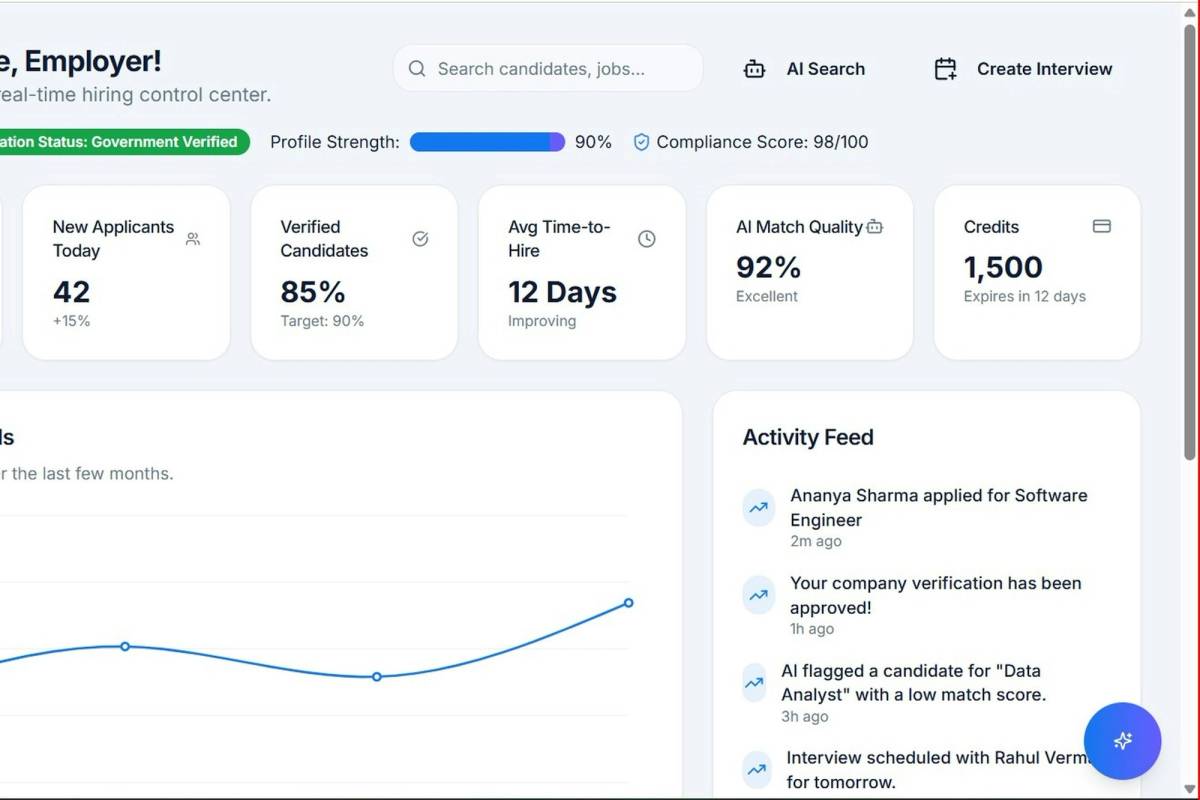

Other services
Planning a saas development project?
Tell us what you want to build and get a straight price range and timeline. Free, and it goes straight to the founder.